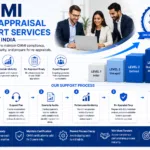
CMMI (Capability Maturity Model Integration) is a globally recognised process improvement framework that helps organisations improve software development efficiency, reduce costs, and increase product quality across five maturity levels. Achieving CMMI certification signals to clients and partners that your organisation meets rigorous process excellence standards.
Software teams fail. Not always because of poor talent, but because of poor processes. CMMI certification addresses this directly—by giving organisations a structured framework to assess, improve, and sustain the way they work.
Originally developed by the Software Engineering Institute (SEI) at Carnegie Mellon University, CMMI has evolved into one of the most respected quality frameworks in the industry. Whether you’re a software development firm, a defence contractor, or an IT services provider, CMMI offers a roadmap to operational maturity.

What is CMMI Certification, and What Makes It Different from Other Standards?
CMMI (Capability Maturity Model Integration) is a process improvement model that defines best practices across five maturity levels. Unlike ISO standards—which focus primarily on compliance—CMMI measures how well an organisation’s processes perform over time and guides continuous improvement.
The CMMI Institute maintains the framework and applies it across industries, though it’s most widely adopted in software engineering and IT.
What Are the Five CMMI Maturity Levels?
- Level 1 – Initial: Processes are unpredictable and reactive. Success depends on individual effort rather than consistent practice.
- Level 2 – Managed: Basic project management is in place. Teams can repeat past successes on similar projects.
- Level 3 – Defined: Processes are standardised, documented, and applied across the organisation.
- Level 4 – Quantitatively Managed: Processes are measured and controlled using data. Organisations can predict outcomes with reasonable accuracy.
- Level 5 – Optimising: The focus shifts to continuous improvement, using performance data to drive innovation and prevent defects.
Most organisations target Level 3 as a meaningful benchmark of process maturity. Levels 4 and 5 require significant investment in measurement infrastructure and are typically pursued by larger or more established organisations.
Key Benefits of CMMI Certification?
Process efficiency and reduced costs: Standardised processes reduce rework, minimise errors, and cut development costs over time.
Improved product quality: Defined quality gates and consistent practices reduce the number of defects reaching the client.
Competitive advantage: Many government and enterprise clients—particularly in defence and financial services—require CMMI certification from their vendors.
Better risk management: Higher maturity levels give organisations the tools to anticipate and manage project risks before they escalate.
Organisational credibility: CMMI certification signals a commitment to quality that builds trust with clients, partners, and stakeholders.
How Do You Achieve CMMI Certification? A Step-by-Step Overview
- Gap analysis: Assess your current processes against CMMI requirements to identify areas for improvement.
- Improvement roadmap: Develop an action plan that prioritises gaps and assigns ownership to them.
- Implementation: Roll out process improvements across relevant teams and projects.
- Internal audits: Conduct readiness reviews to validate that new processes are embedded and working.
- Official appraisal: Engage a certified CMMI Lead Appraiser to conduct a formal appraisal. The most common appraisal method is the SCAMPI (Standard CMMI Appraisal Method for Process Improvement).
- Ongoing monitoring: Maintain and build on improvements to sustain your maturity level and prepare for future appraisals.
What Are the Most Common Challenges When Implementing CMMI?
Resource constraints: CMMI implementation requires dedicated time and personnel. Organisations often underestimate the internal effort involved.
Resistance to change: Process change disrupts familiar workflows. Leadership buy-in and clear communication are essential to overcoming this.
Choosing the right maturity level: Pursuing a higher level than your organisation is ready for can lead to surface-level compliance rather than genuine improvement. Start with Level 3 unless you have a specific business reason to aim higher.
Finding qualified assessors: Not all CMMI consultants are equal. Always verify that your appraiser is certified by the CMMI Institute.
Is CMMI Certification Worth the Investment?
CMMI certification is a long-term investment that pays dividends through measurable improvements in efficiency, quality, and market positioning. Organisations that pursue it strategically—starting with an honest gap analysis and realistic goals—tend to see the strongest returns.
Before beginning the process, evaluate your organisation’s readiness, the maturity level that aligns with your business goals, and the clients or contracts you’re hoping to win. CMMI works best when it’s driven by genuine commitment to process improvement, not just a box to tick.
Frequently Asked Questions About CMMI Certification
The timeline varies depending on your starting maturity level and organisation size, but most organisations take 12–24 months to prepare for a Level 3 appraisal.
Costs vary widely. Expect to invest in internal resources, process improvements, and appraiser fees. Consulting fees and appraisal costs alone can range from tens of thousands to over a hundred thousand dollars.
CMMI certification is most valuable for software development firms, IT service providers, and organisations that supply to government or defence clients, where certification is often a contractual requirement.
ISO 9001 establishes a baseline for quality management systems. CMMI goes further by defining specific process areas and measuring improvement over time across five maturity levels.
CMMI appraisal results are valid for three years, after which organisations must undergo a new appraisal to maintain their certification status.